
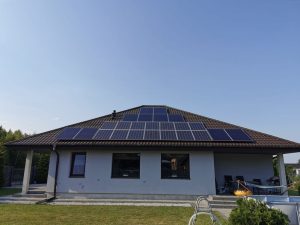
Modern solar panels are designed to withstand years of outdoor exposure while continuing to generate power. However, their lifespan and long-term performance depend on several factors, including installation quality, weather conditions, equipment quality, and maintenance. Understanding these factors helps homeowners and businesses get more value from their solar energy systems.
How Long Do Solar Panels Typically Last?
Most modern solar panels are expected to operate for 25 to 35 years, although some systems may continue producing electricity beyond that timeframe. According to the U.S. Department of Energy, the average expected operational lifespan of solar panels has increased as technology has improved.
It is important to understand that a panel reaching 25 years old does not mean it suddenly stops working; solar panels gradually lose some of their ability to produce electricity, a process known as degradation. Many panels still deliver a substantial portion of their original output after 25 years.
Manufacturers often provide performance warranties that specify the minimum power output expected over a set period. Reviewing these warranties before purchasing a system helps you understand what to expect over time.
What Factors Affect Solar Panel Lifespan?
Several factors influence how long solar panels last and how efficiently they operate.
- Weather and environmental conditions: panels are built to handle outdoor exposure, including rain, wind, and temperature changes. However, severe hail, falling debris, hurricanes, and other extreme weather events may damage panels or mounting equipment.
- Installation quality: proper mounting secure electrical connections, and appropriate system designs help reduce their efficiency. Over many years, exposure to environmental conditions also contributes to gradual degradation.
- Heat and sunlight exposure: solar panels need sunlight to generate electricity, but excessive heat may temporarily reduce their efficiency.
- Maintenance and monitoring: dirt, debris, damaged wiring, and equipment faults may affect energy production. Checking system performance and addressing issues early helps keep everything operating as intended.
How Can You Extend the Life of Solar Panels?
Solar panels generally require little routine maintenance, but occasional attention makes a difference. Keep an eye on energy production, watch for visible damage, and follow the manufacturer’s cleaning and maintenance recommendations. Rain often removes ordinary dust, although heavier buildup may require additional cleaning.
Avoid climbing onto the roof or using harsh cleaning products. If you notice an unexpected drop in output or suspect damage after a storm, contact a qualified solar professional for an inspection.
Get More from Your Solar Investment with JEH Solar
Choosing a properly designed and professionally installed system is an important step toward dependable, long-term solar performance. JEH Solar provides residential and commercial solar installation and related electrical services. Whether you are considering a new system or want to discuss your property’s solar needs, explore our installation services to learn more.
Ready to take the next step? Contact JEH Solar at (337) 277-0037 to discuss your energy goals and request a free estimate.
Recent Comments